Care for Your Furry Friends
At Animal Hospital of West Port Saint Lucie, we treat your pets like family. Our dedicated team offers the expert care and personalized treatments they need for a lifetime of health and happiness.

Welcome to Animal Hospital of West Port St. Lucie.
At Animal Hospital of West Port Saint Lucie, we believe exceptional animal care goes beyond credentials. Pets require gentle handling, patience, and genuine empathy, and that’s the foundation of our approach. Our compassionate veterinarians treat every pet with the same care and attention they would give their own. We’re only satisfied when your pet leaves feeling happy and secure.

Book a Virtual Appointment
Animal Hospital Of West Port Saint Lucie offers telemedicine services at select times with Dr. Schmidt via the TapHero app! Please call our office to determine if your pet qualifies for a virtual appointment.
Everything Your Pet Needs to Lead a Happy Life
From routine vaccinations to advanced surgical procedures, our team offers comprehensive care to ensure your pets remain healthy and resilient at every stage of life.
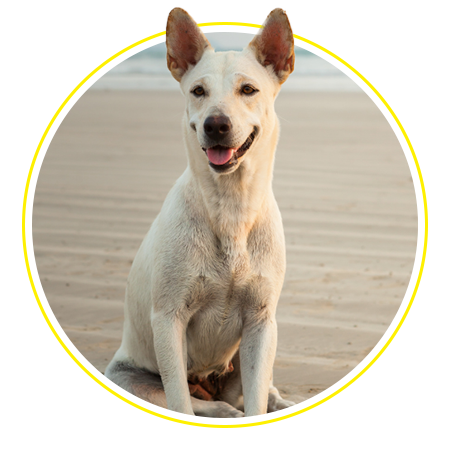
Preventative Care
Help protect your pet from issues like tumors, prostate disease, heartworm, and heart disease.
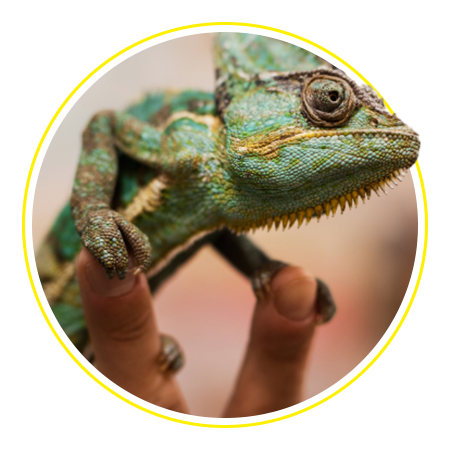
Exotic Pets
Did you know that we treat certain exotic pets? Of these, we commonly see reptiles, hedgehogs, chinchillas, rabbits, and ferrets.
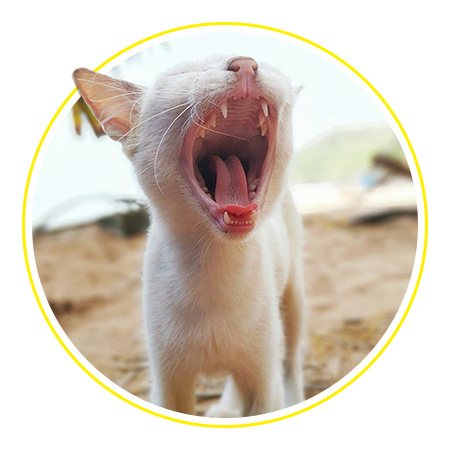
Dental Care
We help pet owners maintain and treat their pets’ oral health, ensuring a healthy and happy smile.

Pharmacy & Lab Work
We provide pharmaceuticals and lab services to monitor and treat your pet’s health, ensuring they get the care they need.
Patience. Commitment. Quality Care.
Our Pet Care Specialists
Meet the team at Animal Hospital of West Port Saint Lucie! We’re dedicated to providing quality care with patience and compassion, giving every pet the time they need to feel at ease. Our technicians go the extra mile to make sure pets feel safe and cared for, and we’re proud to make a positive difference in their lives with each visit.
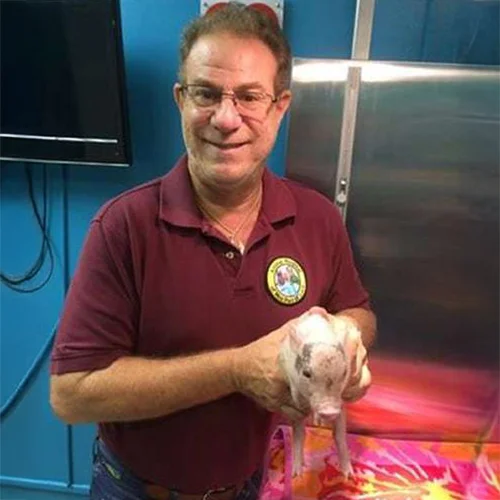
Dr. Leonard Fox
Practice Owner
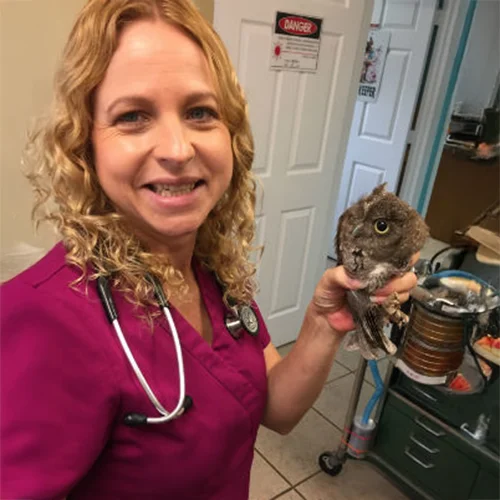
Dr. Tiffany Schmidt
Medical Director
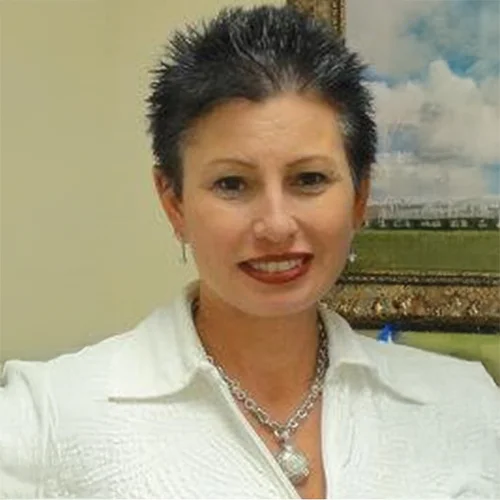
Lori Jurkowski
Practice Manager
Hear What Our Pet Families Are Saying About
Animal Hospital of West Port St. Lucie
Your kind words mean the world to us. Thank you for trusting us to care for your pets!
Melissa B.
“I just moved to Port St. Lucie. The next thing I know my cat escaped while the workers were moving furniture into the home. My cats Saggy, was missing for about a month. When she was found she was near death. I emergently took Saggy to The animal Hospital of West Port St. Lucie. Like a phoenix, Saggy was rehabilitated and is now back to his normal self. I can’t think doctors Schmidt and Fox for saving Saggy! True Heros!”
Mary M.
“What a great place. Everyone from the Drs to the staff are so respectful, loving, caring and courteous to our fur babies and to us. Been going here for well over 8 or more years. Definitely recommend to all for the best care of your fur babies.”
Sammi W.
“I rushed my dog into the vet for an ear infection (freaking out) with no appointment. They saw my dog right away. They calmed me down. They were patient with me, and took time to answer all my questions. They treated us like family in our time of need. I will be forever grateful. We will never go anywhere else. ❤️❤️“